
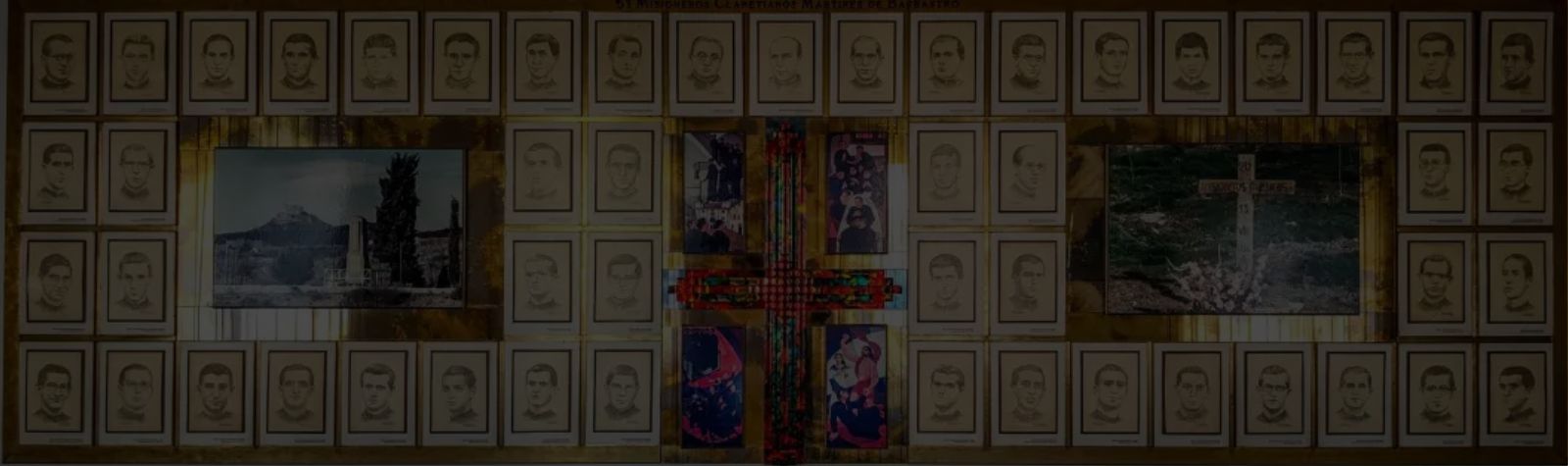
“We spend the day in religious silence and preparing to die tomorrow; only the holy murmur of prayers can be heard in this room, the witness of our hard anguish. If we speak, it is to encourage us to die as martyrs; if we pray, it is to forgive; save them, Lord, for they know not what they do,” Barbastro Martyrs
These words were written by young Claretian seminarians in Barbastro, Spain, in 1936 just hours before they were executed for their faith.
They were not seasoned theologians or powerful leaders. They were students, brothers, and priests, most of them very young, who had been taken prisoner inside their own seminary during the outbreak of the Spanish Civil War. Held captive by revolutionary militias, they were given the chance to renounce their faith. They did not.
Instead, witnesses tell us they sang hymns as they were led away. They forgave those who were about to kill them. And they embraced martyrdom not as a tragedy, but as an act of love, a final yes to God.
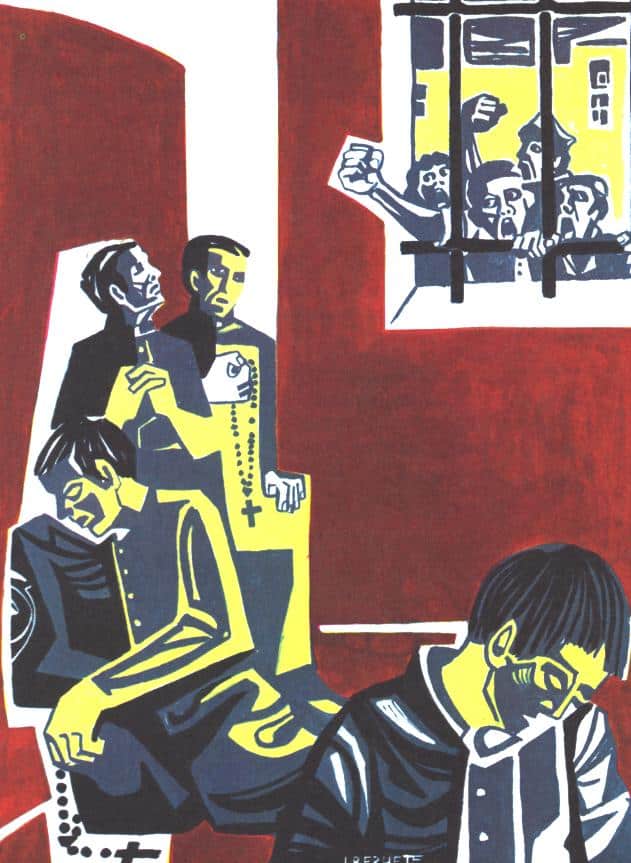
For those who may be learning about the Claretian Martyrs for the first time, their story is simple and profound: these were men who believed so deeply in Christ that they chose fidelity over fear, hope over hatred, and forgiveness over violence. Their lives remind us that martyrdom is not about death. Martyrdom is about love carried to its fullest expression.
For us as Claretians, this witness is not a distant historical event. It is part of who we are.
From our Founder, St. Anthony Mary Claret (who himself narrowly escaped martyrdom in Holguín) to the youngest seminarians of Barbastro, our history has been marked by a willingness to give one’s life for the Gospel. The Claretian Martyrs embody that radical discipleship: fragile human lives sustained by an unshakable trust in God.
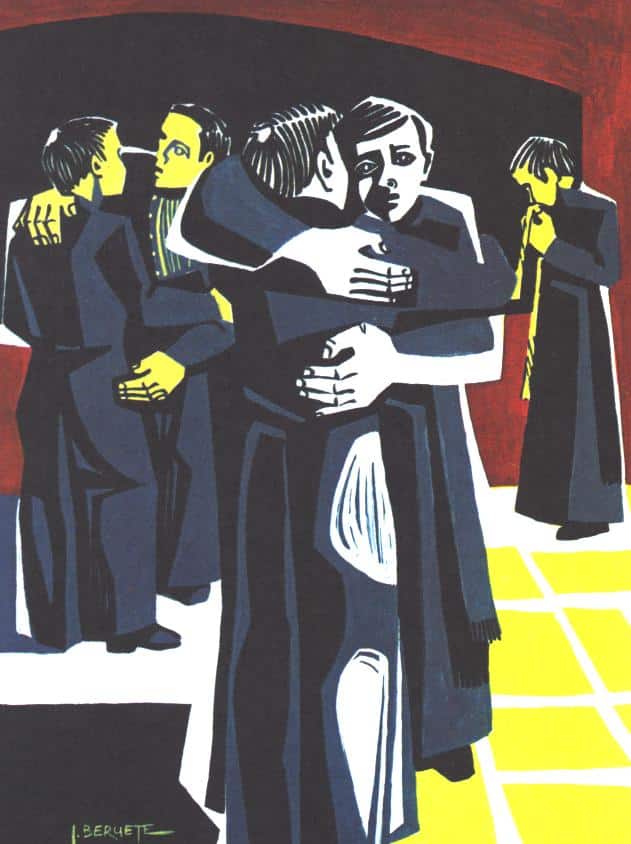
As sons of the Immaculate Heart of Mary, we inherit this call. The martyrs do not speak through long speeches or complex arguments; they speak through their silence, their forgiveness, and their courage. In a world marked by division and violence, their witness becomes a living parable of reconciliation.
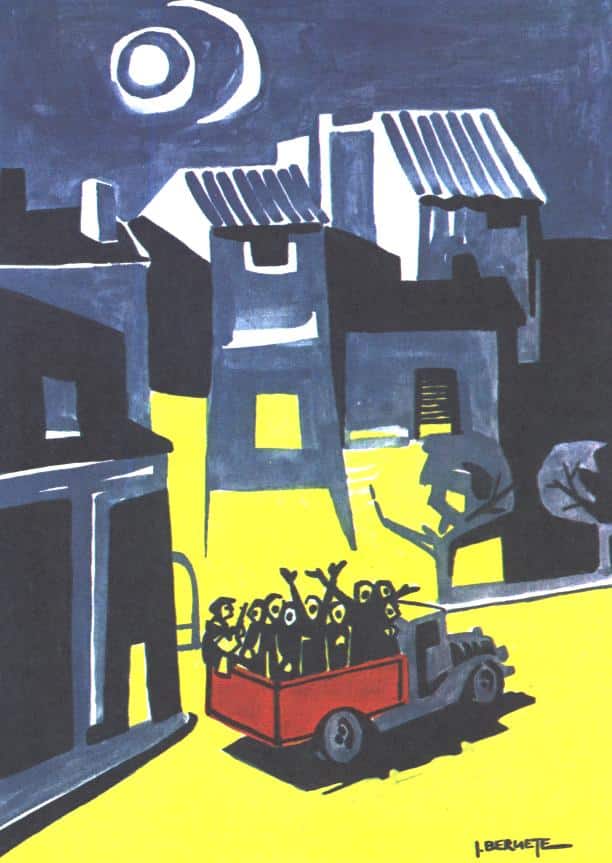
Jesus warned his disciples: “In the world you will have tribulation; but take courage, I have overcome the world” (Jn 16:33). The Martyrs of Barbastro believed those words—and lived them to the end.Beginning February 1, 2026, we will gather as a Claretian community to celebrate the Triduum for the Claretian Martyrs. During these days, we will be giving thanks for their lives, entrust ourselves to their fidelity, and ask for their intercession. Echoing the prayer of Faustino Pérez, CMF, that martyrs’ blood, poured out in love, may continue to stimulate the growth and missionary expansion of the Church throughout the world.
Throughout the triduum, we are especially invited to contemplate To the Claretian Martyrs (2013), a painting by Juan Palomo Reina created for their beatification in Tarragona. Preserved in the chapel of the Claretian novitiate in Granada, the image invites us into daily prayer and remembrance—a visual testimony of love willing to be consumed by the fire of God.
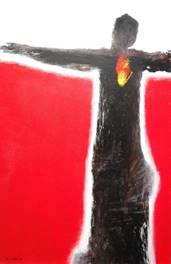
Remembering the martyrs is not only an act of memory; it is a call of renewal of our faith. May their witness rekindle in us the “holy fire” for which our Founder prayed:
“O my Jesus, I ask you for one thing that I know you will grant me. Yes, my Jesus, I ask you for love, Love, great flames of that fire that you have brought down from heaven to earth. Come, divine fire. Come, sacred fire; ignite me, burn me, melt me and mould me to the will of God” [Aut. 446].
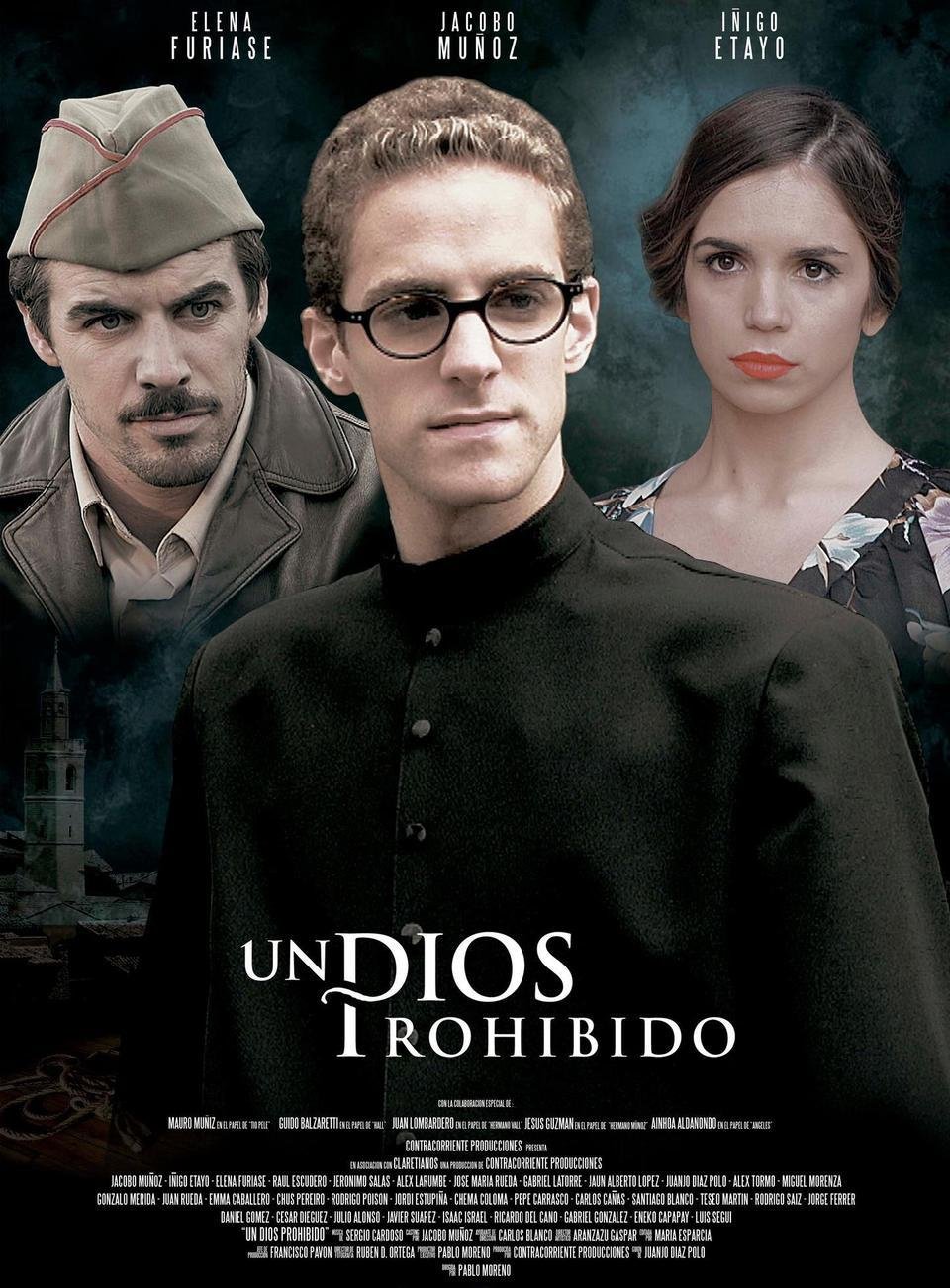
We also invite you to watch A Forbidden God , a powerful film inspired by the story of the Martyrs of Barbastro—a moving way to encounter their faith, courage, and sacrifice.